Dallas Austin: Music Industry Must Embrace AI Artists
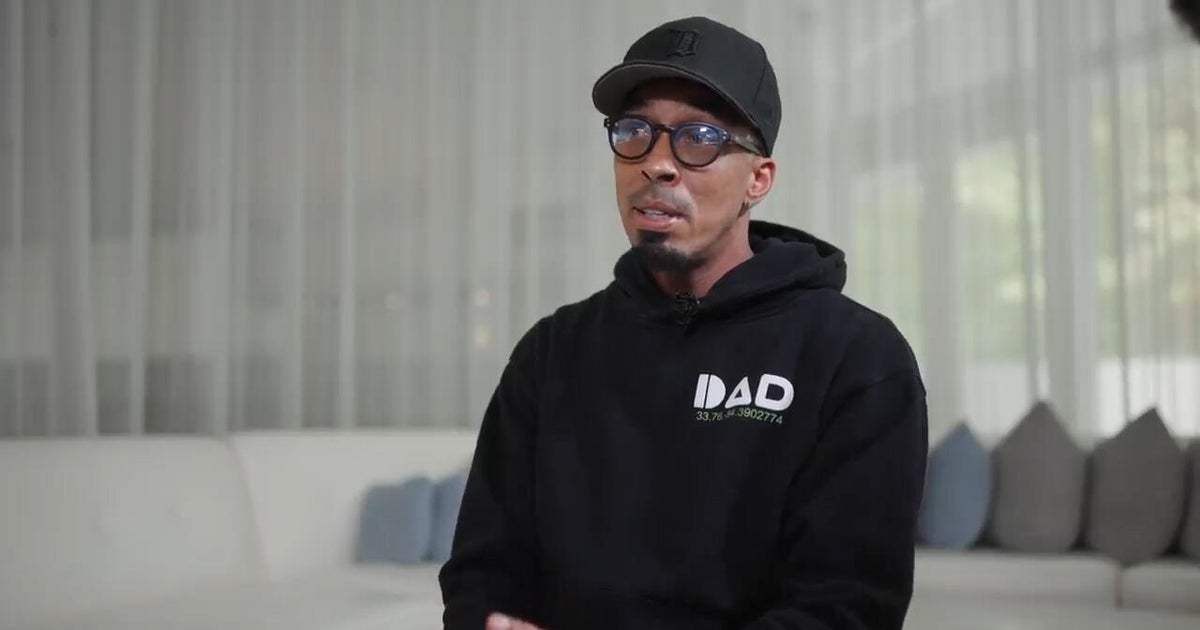
Grammy-winning songwriter and producer **Dallas Austin** believes the music industry must adapt to the presence of **AI artists**. In a recent statement, Austin
Summary
Grammy-winning songwriter and producer **Dallas Austin** believes the music industry must adapt to the presence of **AI artists**. In a recent statement, Austin emphasized that AI is here to stay and that the industry needs to **embrace progress** or risk being left behind. This shift towards AI-generated music has sparked debate among industry professionals, with some arguing that it will **democratize music creation** and others concerned about **job displacement**. As the music industry continues to evolve, it's essential to consider the potential impact of AI on **music production**, **copyright laws**, and **artist royalties**. For more information on AI in music, see [[artificial-intelligence|AI]] and [[music-production|Music Production]].
Key Takeaways
- The music industry is undergoing a significant transformation with the rise of AI-generated music
- Dallas Austin believes that the industry must adapt to AI or risk being left behind
- The impact of AI on the music industry is a complex issue that requires careful consideration
- The industry must strike a balance between embracing innovation and protecting artists' rights
- The future of music creation, artist compensation, and industry competitiveness are at stake
Balanced Perspective
The impact of AI on the music industry is a **complex issue** that requires careful consideration. While AI-generated music can **increase efficiency** and **reduce costs**, it also raises concerns about **job displacement** and **artist compensation**. The industry must strike a balance between **embracing innovation** and **protecting artists' rights**. As the music industry continues to evolve, it's essential to monitor the **developments in AI technology** and **regulatory frameworks** that govern the use of AI in music production. For more information on the current state of AI in music, see [[music-industry-trends|Music Industry Trends]].
Optimistic View
The incorporation of AI in music production can **revolutionize the industry** by providing new tools for artists to create and experiment with music. With AI-generated music, artists can focus on the **creative aspects** of music production, while AI handles the more **technical tasks**. This collaboration between humans and AI can lead to **innovative sounds** and **new genres**. As **Dallas Austin** noted, embracing AI can help the music industry stay **competitive** and **relevant**. For more information on the potential benefits of AI in music, see [[ai-in-music|AI in Music]].
Critical View
The rise of AI-generated music poses a significant **threat to the music industry**. The use of AI can **homogenize music** and **stifle creativity**, as AI algorithms may prioritize **commercial appeal** over **artistic expression**. Furthermore, the **lack of transparency** in AI-generated music can make it difficult to determine **authorship** and **ownership**, potentially leading to **copyright disputes**. As the industry becomes increasingly reliant on AI, it's crucial to address these concerns and ensure that **artists' rights** are protected. For more information on the potential risks of AI in music, see [[ai-risks-in-music|AI Risks in Music]].
Source
Originally reported by CBS News